Stretching 280 kilometres through the heart of France, the Loire Valley has been the stage for kings, artists, and revolutionaries for over two millennia. Here, Renaissance palaces rise from vineyards, and every bend in the river whispers secrets of a civilisation that shaped the modern world.
Long before French kings made the Loire their playground, the valley was home to the Carnutes, a powerful Celtic tribe who considered the region a sacred centre of Gaulish civilisation. The druids held their great annual assemblies here, and the city of Cenabum — modern-day Orléans — served as a vital trading hub. When Julius Caesar's legions swept through Gaul in 52 BC, the Loire corridor became a strategic military artery. Roman settlers established towns, built roads, and planted the first organised vineyards, laying agricultural foundations that would endure for centuries. Traces of Roman villas and amphitheatres survive across the region, testament to a deep colonial presence.
As Rome's grip weakened in the fifth century, the Loire Valley became contested ground between Frankish kingdoms and Visigoth invaders. The decisive Battle of Vouillé in 507 AD, fought near modern Poitiers at the valley's southern edge, saw Clovis I crush the Visigoths, cementing Frankish — and ultimately French — dominance of the region. Christianity took firm root, with Tours emerging as a powerful ecclesiastical centre. Saint Martin of Tours, the beloved fourth-century bishop, drew pilgrims from across Europe, making the Via Turonensis one of the great medieval pilgrimage roads to Santiago de Compostela. The valley's spiritual and political importance had been permanently established.
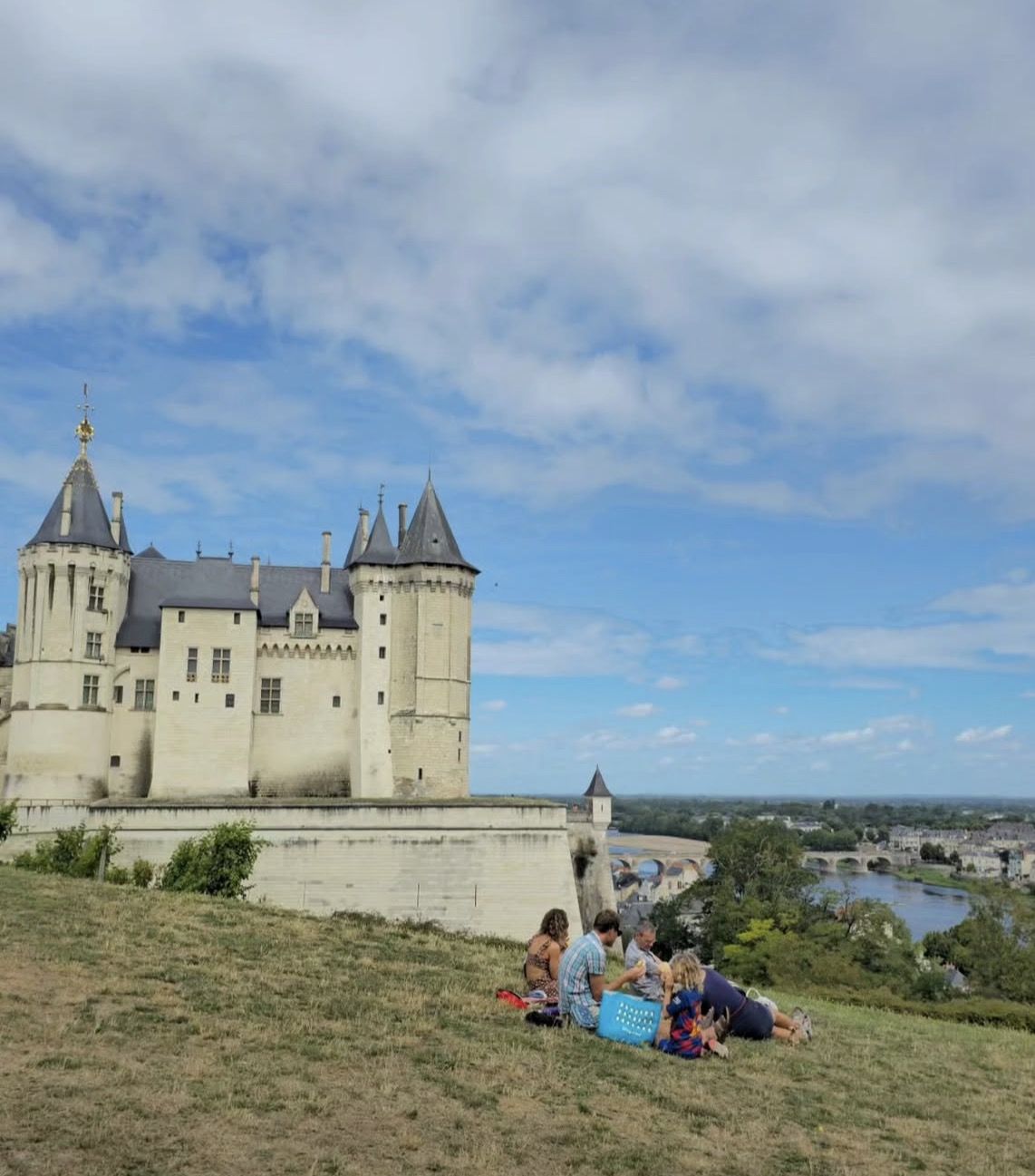
The Loire Valley's golden age arrived in the late fifteenth century when the French monarchy essentially relocated here. Following the Hundred Years' War — during which Joan of Arc famously rallied French forces at Orléans in 1429 — the Valois kings found the Île-de-France too ravaged and politically charged. Charles VII, then Louis XI, and finally Charles VIII transformed the valley into the de facto capital of France. Charles VIII's Italian campaigns of 1494 proved transformative: he returned captivated by Renaissance art and architecture, bringing Italian craftsmen, gardeners, and artists back to the Loire. The result was a breathtaking fusion of French Gothic tradition with Italian Renaissance elegance.
The château-building frenzy that followed produced some of the world's most extraordinary architecture. Château d'Amboise, perched dramatically above the river, became the royal residence of Charles VIII and later Francis I, who invited Leonardo da Vinci to live out his final years nearby at the Château du Clos Lucé in 1516. Leonardo died at Amboise in 1519, and his influence on the valley's artistic culture was profound. Château de Chambord, begun by Francis I in 1519, remains the most spectacular expression of this era — its 440 rooms, 365 fireplaces, and iconic double-helix staircase, possibly designed by Leonardo himself, represent Renaissance ambition at its most audacious.
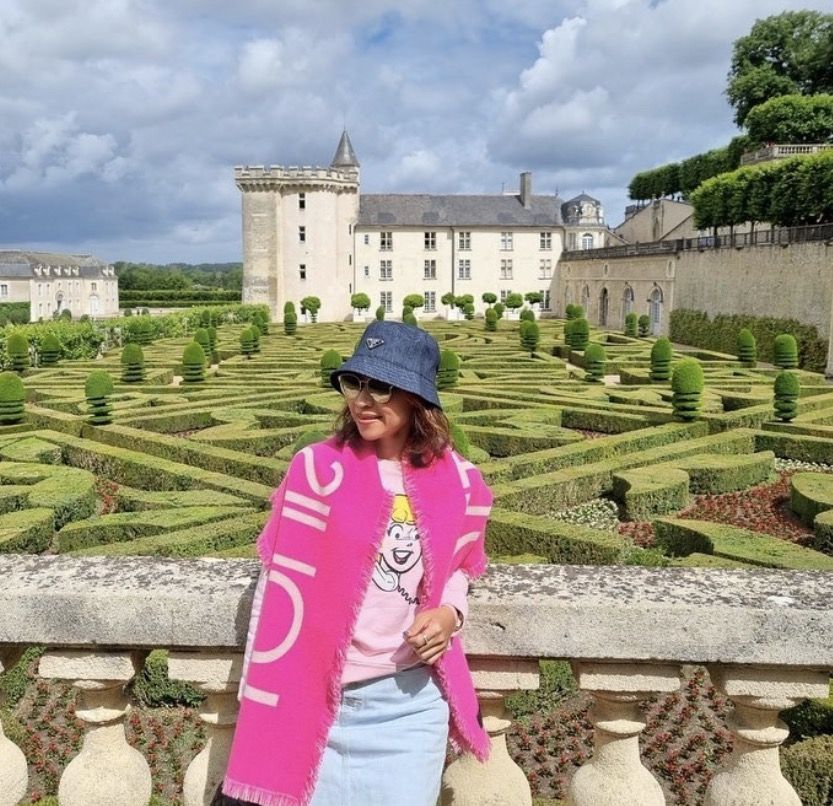
Beyond Chambord, the valley filled with architectural masterpieces commissioned by royalty and powerful nobles. Château de Chenonceau, built across the Cher river and associated with a succession of remarkable women including Diane de Poitiers and Catherine de Medici, became known as the Château des Dames. Château de Villandry showcased the art of formal French gardens, while Château d'Azay-le-Rideau, rising from an island in the Indre river, embodied the delicate grace of early French Renaissance design. The region earned its enduring nickname — le jardin de la France, the Garden of France — from Rabelais, the great sixteenth-century humanist writer born at Chinon, who celebrated its fertile beauty and gentle climate.
The French Revolution of 1789 brought dramatic upheaval to the Loire Valley. Many châteaux were seized, damaged, or repurposed as the aristocracy fled or faced the guillotine. The valley became a flashpoint during the brutal counter-revolutionary Vendée uprising of 1793, when royalist peasants clashed violently with Republican forces across the region. Thousands perished in some of the Revolution's most savage episodes. Yet the Loire's fundamental character — its agricultural abundance, its wine culture, its architectural legacy — survived. Napoleon's reorganisation of France into departments absorbed the valley's territories into a new administrative framework, and the nineteenth century brought gradual restoration of its great châteaux as Romantic-era enthusiasm for medieval and Renaissance heritage took hold.
The nineteenth century proved a pivotal era for preserving the valley's heritage. Eugène Viollet-le-Duc, France's foremost architectural restorer, led efforts to repair and reinstate castles and cathedrals across the country, and his influence reached the Loire. Writers including Honoré de Balzac, born in Tours in 1799, immortalised the valley's landscapes and social life in his sweeping Comédie Humaine series, cementing the region's romantic reputation across Europe. The arrival of the railway in the 1840s made the Loire accessible to Parisian tourists for the first time, sparking early tourism and a wave of aristocratic and bourgeois château purchases. The valley's identity as a place of cultivated pleasure was firmly cemented.
The twentieth century brought the Loire Valley its crowning international recognition. In 2000, UNESCO inscribed an 800-square-kilometre stretch of the valley — from Sully-sur-Loire in the east to Chalonnes-sur-Loire in the west — as a Cultural Landscape World Heritage Site, one of the first such designations globally. UNESCO cited the valley's exceptional concentration of Renaissance châteaux, its historic town centres, its cultivated landscapes, and its role as a crucible of French language and culture. The Loire is considered the birthplace of the purest spoken French — the accent of Tours is traditionally regarded as the most classical in the French language. This linguistic prestige dates to the Valois court's centuries of residence.
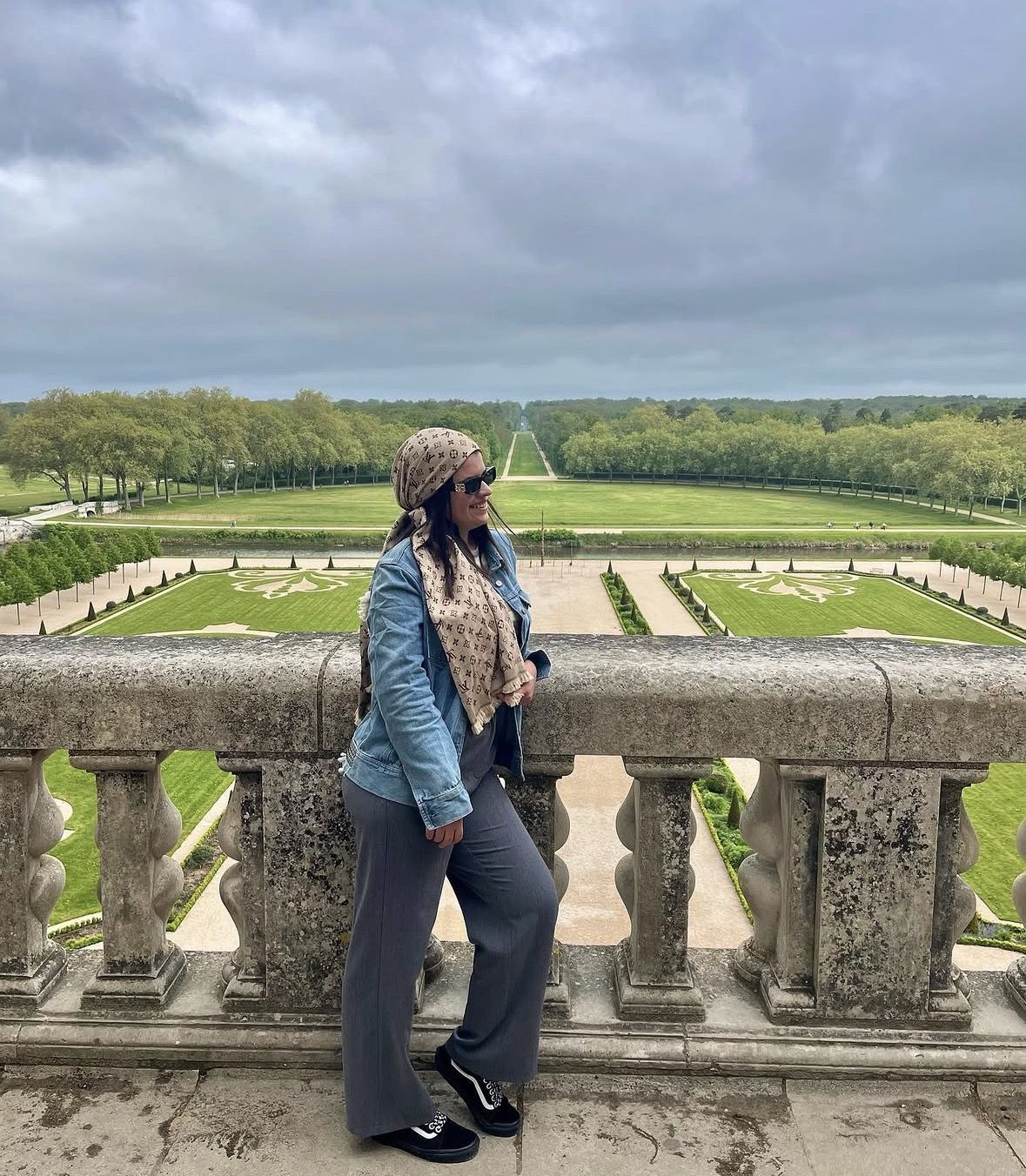
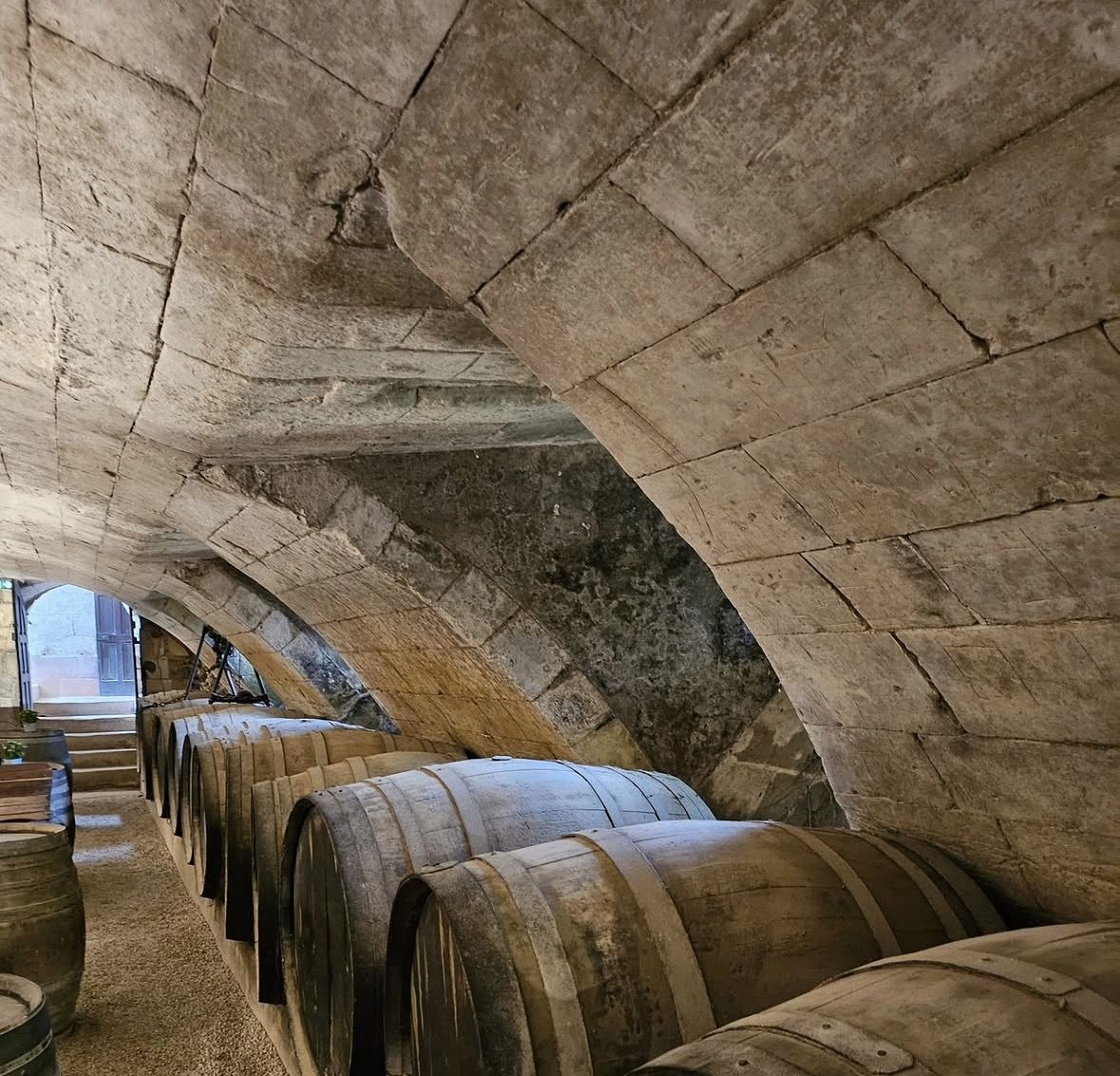
Today the Loire Valley is one of France's most visited destinations, welcoming millions of travellers each year who come to explore its unrivalled concentration of history, architecture, gastronomy, and nature. The valley's 800 kilometres of cycling paths — part of the celebrated Loire à Vélo network — allow visitors to glide between châteaux through meadows, riverside forests, and vineyard-covered hillsides at their own pace. Over fifty appellations produce wines of international renown, from crisp Muscadet near Nantes to elegant Sancerre and Pouilly-Fumé in the east, and from the lush Vouvray Chenin Blancs to the bold Cabernet Francs of Chinon and Bourgueil. Food markets, troglodyte cave dwellings, and medieval town centres add layer upon layer of discovery.
What makes the Loire Valley truly extraordinary is that its history is not locked behind glass — it breathes. You can sleep within château walls, taste wines pressed from vines planted on Roman-era slopes, and walk the same garden terraces where Catherine de Medici once plotted. The valley rewards slow travel: linger in Amboise as the evening light turns the château gold, drift by boat beneath the ancient stone bridge at Amboise, or cycle at dawn through the mist-wrapped vineyards of Vouvray. Whether you are drawn by art, architecture, wine, cycling, or simply the dream of France at its most quintessential, the Loire Valley offers an experience as rich and layered as any destination on earth. Your adventure in France's royal heartland awaits.
Ready to Experience It Yourself?
From the towering spires of Chambord to Leonardo's final home at Amboise, the Loire Valley is best experienced with an expert guide who can unlock its deepest stories. Browse our handpicked selection of château tours, cycling holidays, and wine-tasting experiences designed to bring this extraordinary region to life. Book your Loire Valley adventure today and step into one of history's greatest living landscapes.
Book Your Tour Now